
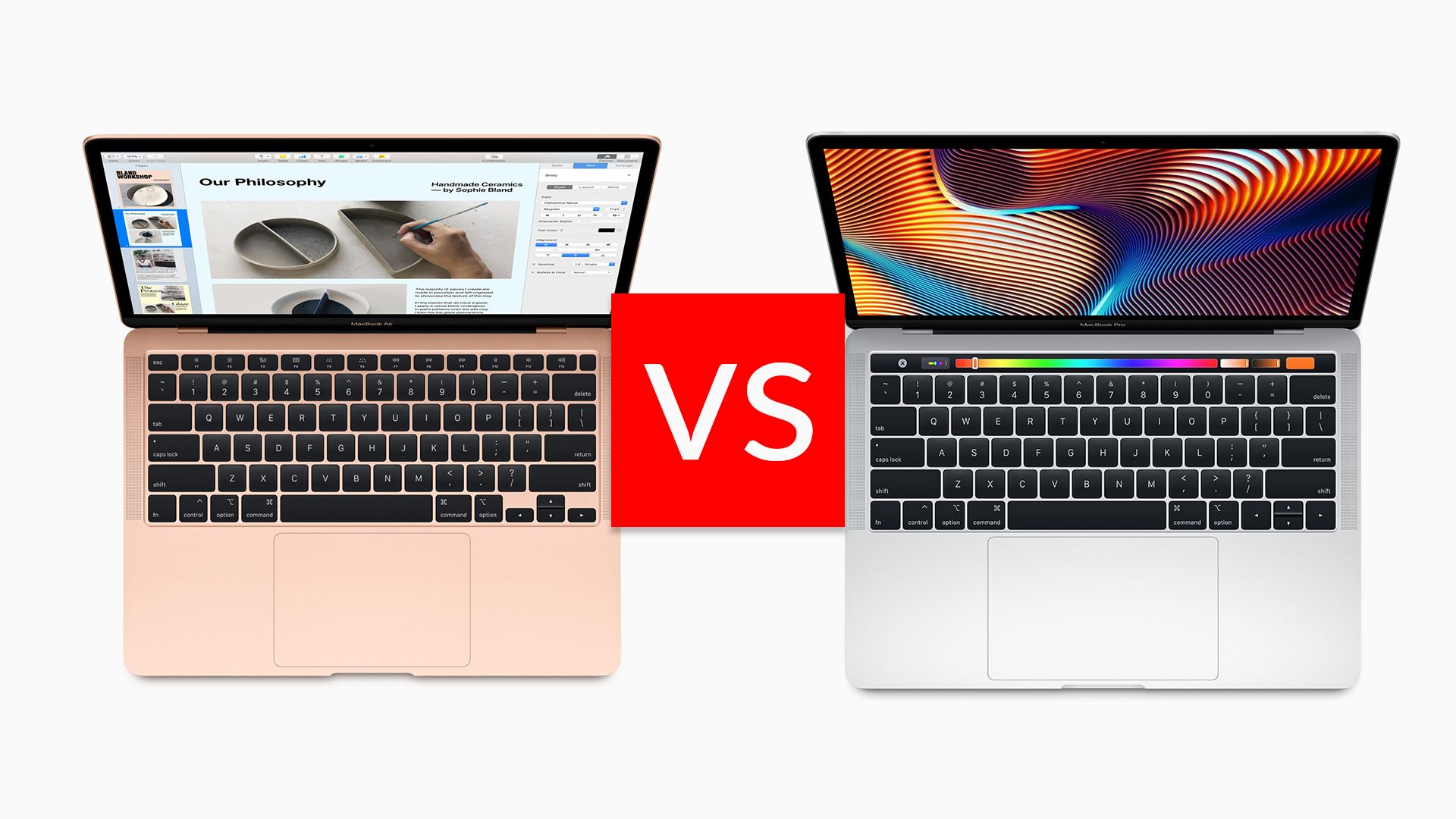
If you’re choosing between a MacBook Air and a MacBook Pro and resale matters to you, the short answer is that both hold value far better than almost any Windows laptop, but they don’t hold it the same way. MacBook Air vs Pro resale value comes down to one trade-off: the Pro starts at a higher price and keeps a larger dollar amount, while the Air loses fewer percentage points per year because buyers see it as “good enough” for years longer. Which one actually nets you more cash depends on the chip generation, the configuration, and when you sell.
The MacBook Pro typically returns more raw dollars at resale because of its higher original price and professional-grade demand, while the MacBook Air typically loses a smaller percentage of its value each year. For most casual sellers, the Pro nets more cash; for buyers chasing the slowest depreciation curve, the Air wins.
MacBook Air vs Pro Resale Value: The Core Difference
Apple’s own U.S. trade-in program is one of the clearest windows into this gap. In its May 2026 pricing update, Apple raised its MacBook Pro trade-in estimate from $685 to $690, while the MacBook Air estimate climbed from $485 to $520, according to trade-in figures reported by MacRumors. That $170 gap reflects the same pattern you’ll see across eBay, Swappa, and private resale: a Pro of similar age and condition consistently commands more dollars, even though both models depreciate on a similar percentage curve in the first two years.
Based on current trends, sellers shouldn’t treat “percentage retained” and “cash in hand” as the same question. A MacBook Air that retains 55% of a $1,099 price tag nets less than a MacBook Pro that retains 45% of a $1,999 price tag. If your goal is maximum payout, configuration and original price matter just as much as the model name on the lid.
Does the MacBook Pro hold value better than the Air?
In dollar terms, yes. The MacBook Pro’s professional audience, video editors, developers, and creative freelancers, keeps demand steady for used units, which supports stronger pricing. In percentage terms, the answer flips more often in the Air’s favor, especially once a model is three or more years old and seen mainly as a budget laptop rather than a workhorse.
- MacBook Pro: higher original price, stronger dollar retention, faster-moving used market among professionals
- MacBook Air: lower original price, slightly slower percentage depreciation, broader buyer pool (students, casual users, light professionals)
Why MacBook Pro Models Resell for More
The Pro’s resale strength isn’t just brand loyalty. It comes from a few concrete factors that buyers actively shop for.
First, the Pro line carries the higher-tier chips, Pro and Max variants, which professional buyers specifically search for. A creative editor shopping for a used machine isn’t comparing it to an Air; they’re comparing it to a new base-model Pro, and a well-kept used unit at 70–80% of that price looks like a smart buy. Second, the Pro’s larger battery, brighter mini-LED display on 14-inch and 16-inch models, and additional ports (HDMI, SD card slot, MagSafe) keep it relevant for workflows an Air simply can’t support. Third, Pro buyers tend to keep devices in better condition because they’re treating the purchase as a tool, not a disposable accessory, which improves the average cosmetic grade of used Pro listings.
In my experience helping people prep machines for resale, a 14-inch Pro with a Pro or Max chip and 16GB or more of unified memory is the single strongest resale combination in the current Mac lineup. Buyers filter for exactly that spec on resale platforms before they even look at price.
Where the MacBook Air Wins on Value Retention
The Air’s advantage shows up over a longer horizon. Because it has no fan and a simpler thermal design, an M-series Air rarely shows the kind of internal wear that drags down Pro pricing after four or five years of daily use. It’s also the model most often bought by students and casual users who keep it in a sleeve and treat it gently, which improves the average condition of used Air listings on the back end of their lifecycle.
There’s also a volume effect. The Air is Apple’s best-selling laptop by a wide margin, so the used market is deep, sellers can price within a narrow, predictable range because there’s always a buyer shopping that exact configuration. A Pro in an unusual spec (low storage, base chip) can sit longer because the buyer pool is narrower and pickier.
Before you list either model, check Battery Health under System Settings. A battery with fewer than 300 cycles and “Normal” status can add noticeably to your final offer, buyers treat cycle count almost as carefully as they treat the chip generation.
Chip Generation Matters More Than Air vs Pro
Here’s the detail most sellers miss: which chip generation you own affects resale value more than whether you bought an Air or a Pro in the first place. An M1 Air from 2020 and an M1 Pro-chip 14-inch from 2021 have both lost significant ground to M3 and M4 models, simply because buyers chase current Apple Silicon generations for AI features, faster Neural Engine performance, and longer remaining macOS support windows.
Each chip generation step typically adds noticeably to resale value over the previous one, all else being equal. That’s why a two-year-old base Air on the latest chip can sometimes out-resell a four-year-old Pro on an older chip, even though the Pro originally cost more. If you want a detailed, model-by-model breakdown of how M1 through M4 configurations compare, our guide to MacBook resale value by chip generation walks through current pricing tiers for each.
Should I sell my Intel MacBook now or wait?
Sell it now. Intel-based MacBooks have been losing value faster than any Apple Silicon model since the M1 transition began in late 2020, and that gap keeps widening as macOS updates phase out older processors. Waiting another year rarely improves the offer on an Intel machine, it almost always shrinks it.
RAM, Storage, and Configuration Effects
Specs change the resale math more than most sellers expect, on both Air and Pro models.
- RAM: 8GB configurations are increasingly viewed as entry-level given how memory-hungry modern apps and on-device AI features have become. 16GB and above hold value noticeably better.
- Storage: 512GB strikes the best resale balance. Base 256GB units sell fastest but at the lowest price; maxed-out 2TB+ configurations rarely recover their original premium because buyers compare against base pricing, not your upgrade cost.
- Screen size (Pro only): 16-inch Pro models hold a slight edge over 14-inch units among video and 3D professionals, who prioritize screen real estate over portability.
This is also where AppleCare+ pays off twice, once as protection, and again at resale, since a transferable AppleCare+ plan reassures buyers that a future repair won’t cost hundreds of dollars out of pocket.
Best Time to Sell Your MacBook for Maximum Value
Timing affects both models the same way, but the impact is sharper on the Pro because professional buyers track Apple’s release calendar closely. Listing in the weeks before a new chip announcement, typically around WWDC in June or Apple’s fall event in October, usually gets you a better price than listing right after, when older models reset to a lower tier overnight.
If you’re working through the full process, from wiping your data to choosing where to sell, our complete walkthrough on how to sell your MacBook for maximum value covers each step in order. And if you’d rather skip the listing, photography, and back-and-forth messaging that private resale involves, you can get an instant quote and sell your MacBook for cash with a prepaid shipping label and payment within 24 hours of inspection.
Does selling in bulk change the value calculation?
If you’re clearing out MacBooks for a business, school, or team, not just one personal device, pricing works differently, since buyback platforms often offer streamlined batch quotes rather than pricing each unit individually through a private listing. That’s worth knowing if you’re managing more than a handful of devices at once.
Frequently Asked Questions
Is MacBook Air or Pro better for resale value?
The Pro typically returns more cash because of its higher starting price and steady demand from professionals, while the Air loses a smaller percentage of its value each year. Neither is “better” in every case, it depends on whether you’re optimizing for dollars or for depreciation rate.
How much does a MacBook depreciate per year?
Apple Silicon MacBooks generally lose a meaningful chunk of their value in the first year, then settle into a slower, steadier decline through years two and three. The exact rate depends heavily on chip generation, condition, and configuration, but Apple Silicon models depreciate noticeably slower than comparable Windows laptops at every stage.
Does battery health affect MacBook resale value?
Yes. Buyers specifically check battery cycle count and health status before making an offer, since a degraded battery means an added repair cost for them. Keeping cycle count low and battery health at “Normal” protects your resale price.
Is it worth upgrading RAM or storage for better resale?
Generally no, if you’re buying specifically to resell later. The upgrade cost from Apple rarely comes back at resale, since used buyers compare your listing to base-model pricing rather than to what you originally paid for the upgrade. Buy the configuration you actually need to use.
Should I sell my MacBook before or after a new model launches?
Before, if you can. Listing in the weeks leading up to a new chip announcement typically gets stronger offers, since demand for “current generation” peaks right before a reset and softens once the new model ships.
Whichever model you’re holding, the MacBook Air vs Pro resale value gap comes down to chip generation, configuration, and timing more than the name on the laptop. Check your specs, check your battery health, and list while your current generation still counts as current, that’s where the real difference in payout lives.