
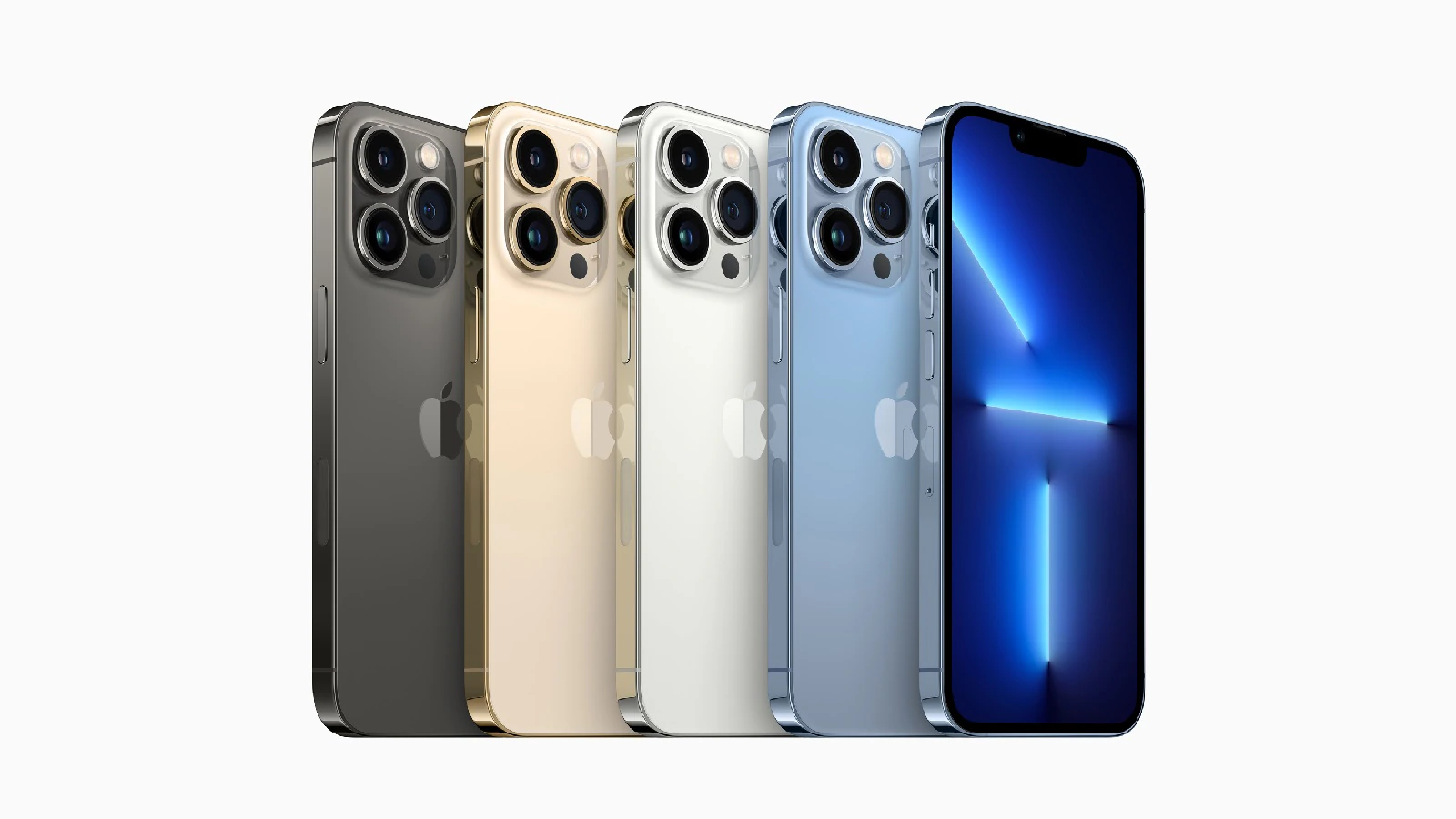
Most people buying a new smartphone think about the price tag upfront. Very few think about what that same device will be worth 12, 18, or 24 months later, and that gap in thinking is costing Android buyers real money. The used phone market is large, fast-moving, and highly price-sensitive, and the brand of phone you own determines far more of your financial outcome than most buyers realize.
This article breaks down exactly why that gap exists, what the data actually shows, and what it means practically for anyone thinking about switching, upgrading, or selling their current device.
The Depreciation Numbers: iPhone vs. Android in 2024-2025
The most straightforward way to understand the resale value gap is to look at real depreciation figures. According to SellCell’s live smartphone depreciation data, the Samsung Galaxy S25 128GB has depreciated by 63.4% since its 2025 launch. The Samsung Galaxy S24 128GB has lost 72.0% of its original value since its 2024 release. Meanwhile, the iPhone 17 256GB has depreciated by just 32.4% since its 2025 launch, and the iPhone 16 128GB by 50.3% since 2024.
An earlier comparison paints an equally clear picture. TechRadar reported that data from resale aggregator SellCell found the iPhone 15 depreciated just 27.4% in its first three months on the market. The Samsung Galaxy S23 series lost 43.5% of its value in that same window. That’s a 16-percentage-point gap inside of 90 days. Google Pixel phones follow a similar pattern. The Pixel 9 has depreciated by 72.1% since its 2024 launch, while Motorola models from the same year have lost up to 89.1% of their original value. The numbers aren’t close, and they compound over a typical two- to three-year ownership cycle.
Why Do Android Phones Lose Value So Much Faster?
The speed of Android depreciation has less to do with quality and more to do with market structure. Samsung, Google, OnePlus, and dozens of other manufacturers release new flagship models multiple times throughout the year. Each new launch applies downward pressure on the resale price of every existing model, even devices that are only six or eight months old and still running perfectly well. Carrier promotions compound the problem. When Verizon or T-Mobile runs a $400-off deal on a Galaxy S25, the secondary market for the S24 and S23 adjusts downward almost immediately.
Buyers who might have paid $650 for a used S24 on a Tuesday morning can suddenly acquire a new S25 through a promotion by the afternoon. That kind of market disruption simply does not happen with Apple. Apple currently sells five iPhone models at any given time, with a predictable annual release cycle. There are no surprise mid-cycle launches, no sub-models flooding the market, and meaningful discounts during retail events like Black Friday are comparatively rare. This tight product control keeps secondary market supply predictable and demand stable.
Software Support: The Single Biggest Driver of iPhone Resale Value
If one factor explains the iPhone’s resale advantage more than any other, it is software longevity. Apple has a well-documented track record of supporting iPhones with major iOS updates for six to seven years, sometimes longer. Macworld notes that the iPhone 11, released in 2019, is fully compatible with iOS 26 as of 2026, seven years of major software support. Security patches extend the coverage even further. A used phone that still receives current software updates is not just a functional device, it is a marketable one. Buyers in the secondary market are well aware that purchasing a two-year-old iPhone means they are still getting current iOS features, security patches, and app compatibility for several more years. That confidence shows up directly in what they are willing to pay. Android manufacturers are improving in this area.
Samsung now promises seven years of OS updates for its Galaxy S25 series, and Google’s Pixel 8 series launched with the same commitment. This is a meaningful shift and is beginning to narrow the historical gap. However, the benefit is limited to flagship Samsung and Google models, the broader Android market, including mid-range and budget phones from OnePlus, Motorola, and countless regional brands, still operates on much shorter update cycles. A buyer browsing the used phone market in 2026 knows there is a clear hierarchy.
The True Cost of Ownership: A Calculation That Reframes the Price Tag
The common criticism of iPhones is that they cost more to buy. That is accurate upfront. But the relevant comparison is not the purchase price, it is the net cost after resale. Consider a scenario used frequently by resale analysts: a $1,200 iPhone that retains approximately $800 in resale value after two years represents a net ownership cost of $400. A $700 Android device that depreciates to $250 over the same period represents a net cost of $450. The cheaper phone cost more to own. This math applies across most direct comparisons between flagship Android devices and comparable iPhones, which is why nearly half of all new iPhone buyers now fund their upgrades through the resale or trade-in of their previous device.
For anyone who upgrades every two years, a common pattern in the US, the cumulative difference in resale recovery can run into hundreds of dollars per cycle. Over a decade of smartphone ownership, that adds up to a significant figure.
What Factors Most Affect iPhone Resale Value?
Understanding why iPhones hold value is useful, but knowing what determines the actual cash you receive when selling is equally important. Not all iPhones depreciate at the same rate, and phone condition plays an outsize role in the final number a buyer will offer.
- Physical condition: Screen cracks, body scratches, and non-functional buttons all reduce value significantly. A device in “like new” condition can command 30-40% more than the same model with visible damage.
- Battery health: iPhones with battery health below 80% are worth noticeably less, as buyers factor in the cost of a battery replacement. Keeping battery health above 85% before selling is worth the effort.
- Storage capacity: 256GB and 512GB models retain more value than base-storage variants. The premium paid upfront for higher storage is partially recoverable at resale.
- Carrier lock status: Unlocked iPhones consistently fetch higher prices in the secondary market. A carrier-locked device limits the buyer pool, which suppresses competition and bids. The impact of carrier lock on iPhone resale price is more significant than most sellers expect.
- Model tier: Pro and Pro Max models depreciate slower than standard variants. The iPhone 15 Pro Max 256GB, for example, retained nearly double the value of the Samsung Galaxy S23 Plus 256GB in the three months following their respective launches.
It is also worth being deliberate about avoiding the common errors that quietly reduce your payout. Small things, like leaving an iCloud account active on a device before selling, can stall a transaction entirely. Platforms that buy used iPhones will either reject the device or significantly discount their offer if it cannot be activated by a new owner.
Is the iPhone’s Lead Narrowing?
This is a question worth addressing directly, because the data shows a more nuanced picture than a simple “iPhone always wins” narrative. iPhone depreciation has actually been accelerating year over year. The iPhone 11 lost 43.8% of its value in the 12 months following launch. The iPhone 15 lost 48.2% over the same window, a meaningful increase. Meanwhile, Samsung’s Galaxy S series has shown consistent year-over-year improvement in value retention. SellCell’s projections suggest that if these trends continue, Samsung could close the gap considerably by mid-to-late 2026. The Galaxy S25 Ultra, with its titanium build and Samsung’s seven-year update commitment, is already performing better at resale than its predecessors.
Google’s Pixel 9 Pro is a similar story. The honest assessment: iPhones still hold their value better than Android phones as a category in 2025. But the gap is tighter than it was three years ago. The brands that are closing the distance, Samsung and Google, are doing so specifically by addressing the two factors that gave Apple its advantage: software longevity and premium build quality. Budget and mid-range Android phones remain far behind.
What This Means When You’re Ready to Sell
Whether you’re upgrading to a new iPhone or switching platforms, the resale value of your current device is real money, and timing and preparation both affect how much of it you recover. Selling your iPhone through a reputable buyback service is often faster and more straightforward than dealing with private buyers, though trade-in programs vs. direct sales have genuine trade-offs worth understanding before you commit. If you have an older Android phone you’re looking to move on from, the calculus is slightly different. The device has likely already depreciated sharply, but that doesn’t mean it has no value. Many used Android phones, even models a few years old, still attract buyers, particularly in budget-conscious markets. The key is getting a realistic quote and acting sooner rather than later, since Android depreciation continues to compound with time.
For anyone with an iPhone they are ready to sell for cash, the current secondary market remains strong. The iPhone’s brand recognition, predictable update schedule, and consistent demand from buyers unwilling to pay full retail price create a liquid, competitive market that works in the seller’s favor, provided the device is in good shape, fully unlocked, and ready to transfer.